Important: This guide is for general information only and is not legal advice. Legislation can change; before you ride, check the current legislation and the local rules of the province you’re in.
In Türkiye, electric scooters are governed by the Electric Scooter Regulation. It was first published in the Official Gazette of 14 April 2021 (issue 31454) and has been amended since. Below, we’ve summarised in plain language the basic rules that matter most to riders.
What is an e-scooter?
The Regulation defines an e-scooter as a wheeled vehicle with a top speed of no more than 25 km/h, fitted with a braking mechanism, which may have a footboard and a handlebar.
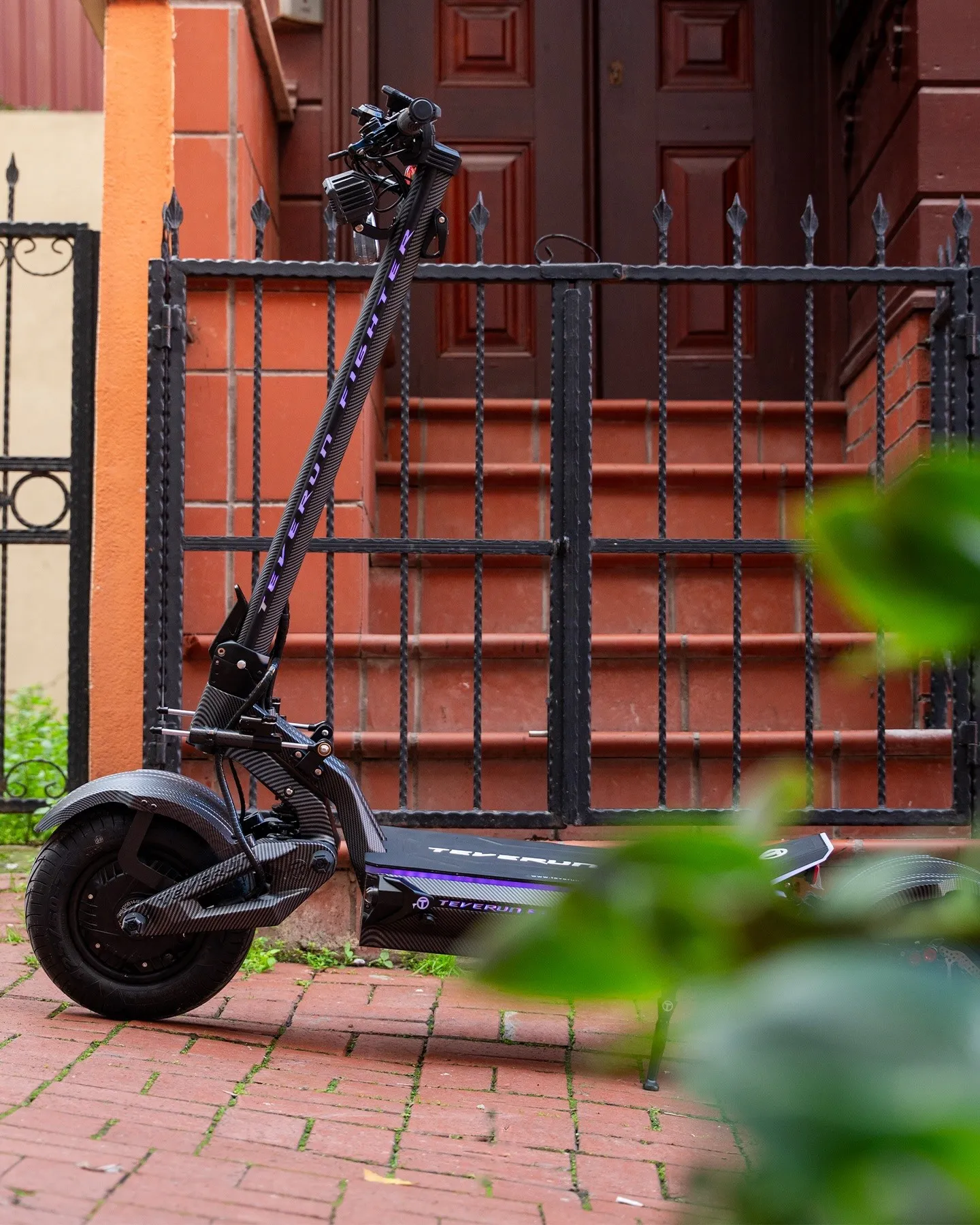
That’s why manufacturers such as Teverun sell their scooters limited to 25 km/h. Unlocked performance modes are for closed-track and private-land use only. Vehicles that can go faster than 25 km/h fall outside the definition of an e-scooter, and using them on public roads may have separate legal consequences.
Where can you ride?
- On a cycle path or cycle lane, if there is one.
- If there isn’t, on roads with a speed limit of no more than 50 km/h that haven’t been closed to e-scooters by the local authority — keeping to the right in a way that doesn’t put traffic safety at risk.
Where and how you may not ride
- On pedestrian paths (pavements)
- On the carriageway when there is a separate cycle path or lane
- On motorways, intercity highways and roads with a speed limit above 50 km/h
- More than two e-scooters side by side in one lane of the carriageway
- Tied to, hanging on to or holding on to another vehicle
- Performing stunts, except at authorised events
- One-handed, except when signalling a manoeuvre
Passengers and loads
- No one other than the rider may be carried on an e-scooter. Riding two-up is not only prohibited but also puts serious strain on the motor and controller.
- No loads may be carried, apart from personal belongings carried on your back.
Lights at night
The Regulation requires a white light at the front so that other road users can easily spot you at night. A rear light and reflectors are also essential for visibility.
Helmets and protective gear
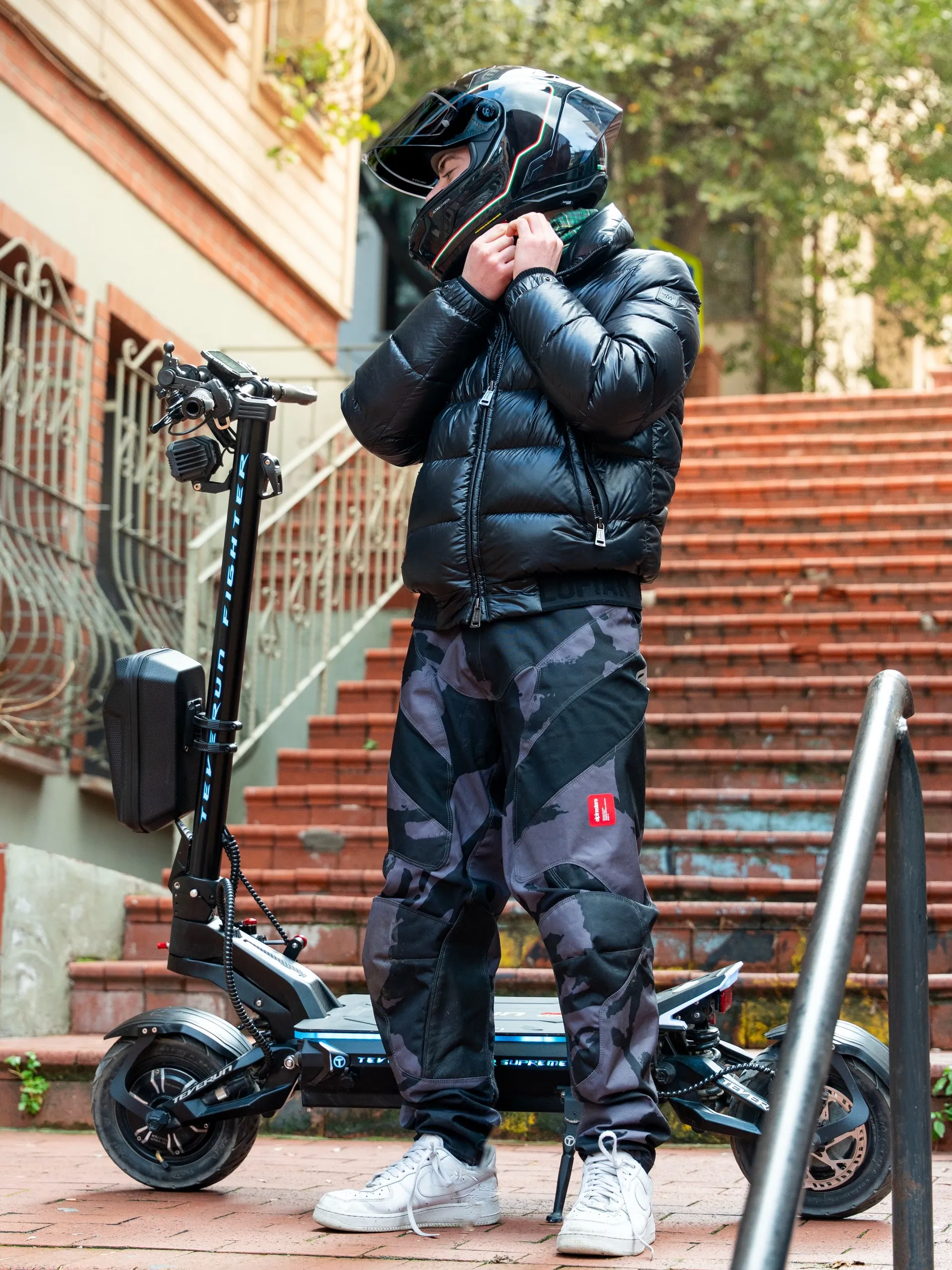
Check the current requirements for helmets and protective gear. Mandatory or not, our advice is simple: a helmet on every ride. On fast scooters, knee and elbow protection and gloves also make a real difference in a crash. A helmet isn’t an accessory — it’s the single most important, life-saving piece of safety gear.
Shared (rental) scooters
The Regulation places additional obligations on shared e-scooter operators. For example, operators may not provide their service to anyone under the age of 15. An amendment published in the Official Gazette in December 2025 introduced new obligations for operators, such as reporting the location of their scooters at regular intervals, automatically restricting the scooters in prohibited zones through their system (geofencing) and making up part of their fleets with domestically produced vehicles.
Penalties
The Regulation provides for administrative penalties for those who break the rules. Since fine amounts can be updated every year, we don’t quote any figures here; check the current amounts with official sources.
Quick summary
| Rule | Summary |
|---|---|
| Speed | E-scooters: 25 km/h max. |
| Where | Cycle path/lane; otherwise keep right on roads limited to 50 km/h or less |
| Pavement | Prohibited |
| Passengers | Prohibited |
| Loads | Prohibited, except personal belongings on your back |
| Night | White light at the front |
| Helmet | Check the current requirement; we recommend one on every ride |
What about performance scooters?
The performance projects and speed-limit work we carry out at Storm Garage are for closed-track and private-land use only. The legal limit on public roads is 25 km/h, and we say so clearly on every project. Tampering with the speed limit also ends the manufacturer’s warranty in most cases.
Source: Electric Scooter Regulation (Official Gazette, 14 April 2021, issue 31454) and its December 2025 amendment. This summary is not a substitute for legal review.